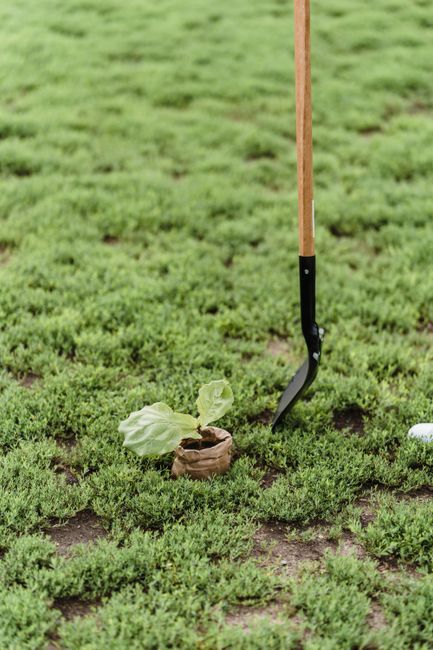
Avoid Common Gardening Mistakes That Destroy New Lawns Gardeners Should Know
New lawns look simple from a distance. A neat green surface, a bit of rain, maybe a quick mow and job done. In reality, the first few weeks after laying turf or sowing seed are where most lawns are won or lost. If you want to avoid common gardening mistakes that destroy new lawns gardeners often make, the key is to slow down, watch the weather, and resist the urge to "help" too much. Truth be told, overdoing it is usually the problem.
This guide walks through the mistakes that damage new lawns, why they matter, how to get the basics right, and what to do if things are already looking a bit patchy. It is written for homeowners, tenants, keen gardeners, and anyone who has just invested time or money into a fresh lawn and wants it to survive the awkward early stage. There are no miracle tricks here. Just practical, grounded advice that actually works.
Table of Contents
- Why this matters for new lawns
- How a new lawn establishes itself
- Key benefits of getting it right
- Who this guide is for
- Step-by-step guidance
- Expert tips for better results
- Common mistakes to avoid
- Tools, resources and recommendations
- Law, compliance, standards and best practice
- Options and method comparison
- Real-world example
- Practical checklist
- Conclusion
- Frequently asked questions
Why this Matters
A new lawn is fragile. That is the bit people underestimate. The grass roots are shallow at first, the surface dries quickly, and small mistakes can leave lasting marks: uneven growth, thin patches, weeds, compaction, yellowing, or even whole sections that fail to take at all. Once the damage is visible, recovery takes longer than most people expect.
It matters because a lawn is not just decoration. It is a living layer of the garden that affects drainage, soil health, usability, and the overall look of the space. A damaged new lawn can set you back weeks or months, and in some cases you end up re-turfing sections or reseeding from scratch. Nobody wants that. Especially not after paying for good turf and a tidy finish.
There is also a timing issue. New lawns need a steady start, not dramatic interventions. If you mow too soon, flood the area, walk across it constantly, or feed it at the wrong time, you can stress the grass before its roots anchor properly. Once that rooting stage is weakened, even small dry spells can cause trouble. You will notice the lawn starts looking tired before it should.
Practical takeaway: the first month after laying or sowing a lawn is less about making it look perfect and more about keeping conditions stable. Consistency beats enthusiasm.
How this Works
A new lawn establishes itself in a few broad stages. First, the grass seed germinates or the turf begins knitting into the soil beneath. Then the roots search downwards for moisture and support. Only after that does the lawn start to tolerate mowing, foot traffic, and routine maintenance with confidence.
If you rush those stages, the lawn pays for it. Seedlings can be torn out, turf can lift at the edges, and compacted soil can stop oxygen and water moving properly through the profile. That is why good lawn care is as much about what you don't do as what you do.
In practice, a successful new lawn depends on four things working together:
- Moisture: consistent watering, not random soaking.
- Root contact: turf or seed must sit well against prepared soil.
- Light and temperature: growth slows if conditions are too cold, too hot, or too shaded.
- Protection: limited traffic, sensible mowing, and no heavy tools too early.
Think of it like letting paint dry on a skirting board. If you keep touching it because you want to check, it gets messy. Same idea here, only with grass and soil instead of paint and a frustrated brush hand.
For larger gardens or more complex layouts, planning from the start helps. Some households also combine turfing with wider work such as landscape gardening or follow-up garden maintenance so the lawn and surrounding beds develop together rather than in isolation.
Key Benefits and Practical Advantages
Getting a new lawn established properly saves more than effort. It can save money, reduce frustration, and create a much more usable garden. The benefits are practical and immediate, even if they are not always glamorous.
- Better root establishment: stronger roots mean the grass copes better with weather changes.
- Fewer bare patches: correct watering and mowing help the sward knit evenly.
- Less weed pressure: a healthy, dense lawn leaves less space for opportunistic weeds.
- Improved appearance: even growth and colour make the whole garden look cared for.
- Lower long-term cost: prevention is cheaper than patch repair or replacement.
There is another advantage people do not always think about. A properly established lawn is easier to maintain for the rest of the season. It cuts cleaner, drains more predictably, and is far less likely to develop the odd soggy corner or dusty hollow that turns into an annual headache. That little bit of patience now usually pays back many times over.
If your garden has a lot of growth around the edges, maintaining nearby hedges or trees can also help the lawn by improving light and reducing heavy leaf litter. Services like hedge trimming and tree lopping and removal may be relevant where shade or debris is becoming an issue.
Who This Is For and When It Makes Sense
This advice is for anyone dealing with a new lawn, whether it is freshly turfed, seeded, patched, or rolled out in sections after landscaping work. It is especially useful if:
- you have just laid turf in a front or back garden;
- you have overseeded thin areas and want better recovery;
- you inherited a weak lawn and are trying to improve it without starting again;
- you are managing a rental property or preparing a house for sale;
- you are doing a bigger garden refresh and want the lawn to fit the rest of the space.
It also makes sense if you are noticing the lawn looking stressed after a rough start. Maybe the turf has lifted at the edges. Maybe the seed washed into lines after rain. Maybe the dog decided the lawn was a racetrack. It happens. The good news is that many early mistakes can still be corrected if you act promptly and keep things simple.
For homeowners planning a wider redesign, new lawns often sit alongside landscaping, decking, paths, or garden clearances. In those cases, the lawn should be one part of the plan, not the afterthought. That makes a real difference.
Step-by-Step Guidance
If you want a lawn to survive and settle well, follow a calm, sensible sequence. No drama. No shortcuts.
1. Prepare the soil properly
A new lawn is only as good as the ground beneath it. Remove debris, stones, old roots, and obvious weeds. Then level the area and firm the soil gently so there are no soft pockets that later sink. The goal is a consistent base, not a perfectly polished one.
2. Improve drainage where needed
If water sits on the surface after rain, the lawn will struggle. You may need to loosen compacted soil, adjust levels, or bring in help as part of broader services overview planning. Standing water is not just untidy; it weakens roots and invites disease.
3. Lay turf or sow seed at the right time
Spring and early autumn are often kinder to new lawns than the extremes of summer or winter, though local conditions matter. Soil warmth helps roots get moving, while reduced heat stress lowers the risk of drying out. Timing is not everything, but it matters more than people think.
4. Water consistently
This is where many people go wrong. They either drench the area once and forget it, or they water so lightly that only the top few millimetres stay damp. A better approach is steady moisture. Not soggy. Not dusty. The soil should support growth without becoming waterlogged.
5. Keep traffic off the lawn
Even one or two repeated footsteps can matter on a tender patch. Try to keep children, pets, furniture moves, and builders off the area until the grass has knitted in. It feels a bit strict at first, I know, but the lawn will thank you later.
6. Mow only when the lawn is ready
Do not cut it just because it looks a little long. Check whether the grass is rooted enough to resist lifting. The first cut should be light, with a sharp mower blade and dry conditions if possible. A ragged blade tears new grass, and torn grass is more vulnerable.
7. Feed lightly and carefully
New lawns may benefit from feeding once established, but too much fertiliser too soon can scorch or encourage weak, rapid growth. A balanced, measured approach is better than a heavy-handed one. More is not always more. Annoying, but true.
Expert Tips for Better Results
Here are the little things that make a surprisingly big difference in real gardens.
- Use a sharp mower blade. A clean cut reduces stress and gives the lawn a tidier finish.
- Check the soil surface in the morning. Early light often shows dry patches, puddles, or uneven areas more clearly than midday does.
- Water early, not late at night. Morning watering usually gives the lawn time to absorb moisture before temperatures rise.
- Keep an eye on edges. Turf edges dry out faster and lift more easily than the centre.
- Watch for compaction around paths and doors. These are the places most often walked on by accident.
- Plan for surrounding work. If hard landscaping or clearance is still happening, delay delicate lawn work where possible.
One useful habit is to kneel down and actually look at the grass from close range. Sounds obvious, but from standing height a problem can be easy to miss. Up close, you can spot colour changes, loose turf seams, or soil that is crusting over after a hot day.
If the rest of the garden needs tidying before the lawn can properly settle, a bit of support from garden clearance can help remove the clutter that gets in the way of a clean finish.
Common Mistakes to Avoid
This is the heart of the issue. Most lawn failures are not caused by one dramatic event. They are caused by a handful of ordinary mistakes, repeated.
| Mistake | What it causes | Better approach |
|---|---|---|
| Overwatering | Shallow roots, rot, moss, patchy growth | Keep soil evenly moist, not soaked |
| Underwatering | Dry seed, curled turf edges, poor germination | Water regularly and check deeper soil moisture |
| Mowing too early | Uplifted turf, torn seedlings, weak growth | Wait until roots are established and grass is ready |
| Using a blunt mower blade | Ragged cuts, stress, browning tips | Sharpen or replace the blade before first cut |
| Walking on it too much | Compaction, flattened patches, uneven rooting | Limit access until the lawn is stronger |
| Ignoring weeds | Competition for light, water, and nutrients | Remove weeds carefully without disturbing the new grass |
| Poor soil preparation | Uneven surface, weak rooting, drainage issues | Start with a level, well-prepared base |
Another common one: people panic when a few blades go yellow and immediately throw more feed, more water, and more attention at the lawn. That can make things worse. A new lawn often needs measured correction, not a full-on rescue mission.
And yes, pets are a special category of challenge. Lovely little chaos agents. If a dog keeps choosing the same corner, that area may need extra protection and faster repair than the rest.
Tools, Resources and Recommendations
You do not need a shed full of specialist kit, but a few basic tools make a new lawn far easier to manage.
- Watering can or hose with a gentle setting: helps avoid disturbing seed or soil.
- Light roller or board: useful only if you need gentle firming, and only on suitable ground.
- Sharp mower: essential for the first and following cuts.
- Rake: handy for levelling small hollows and removing loose debris.
- Spare turf or seed: useful for quick repairs where gaps appear.
- Gloves and kneeling pad: not glamorous, but your knees will appreciate it.
If you are weighing up broader improvements, it can help to compare lawn work with the wider garden budget. The pricing and quotes page is a sensible starting point for understanding how lawn care fits alongside other garden tasks, especially if you are planning several jobs at once.
For ongoing upkeep, routine lawn mowing matters once the lawn is established. Consistent cutting helps the grass thicken and discourages coarse, uneven growth.
Law, Compliance, Standards, or Best Practice
For most home gardens, there is no special legal requirement for laying or maintaining a new lawn. But there are still sensible UK best practices to follow, especially if work is being carried out by a contractor or if the garden forms part of a shared property.
Good practice includes keeping walkways safe while work is underway, avoiding unnecessary trip hazards, and making sure any machinery is used carefully. If you are hiring help, it is reasonable to expect clear communication about safety, access, and what happens if the weather turns. A professional approach should also include responsible handling of waste and respect for neighbouring boundaries.
It is worth checking that anyone working on your garden follows sound procedures around tools and site safety. If a contractor is involved, pages such as health and safety policy and insurance and safety can help set expectations about how work is managed. That is not red tape for the sake of it. It is basic reassurance.
There is also a practical sustainability angle. Grass cuttings, waste soil, and removed material should ideally be handled responsibly. If that matters to you, a provider's approach to recycling and sustainability is worth reviewing. It is a small thing, but it says a lot about how carefully the rest of the job is likely to be done.
Options, Methods, or Comparison Table
If you are deciding how to establish a lawn or repair one, these are the main approaches people usually consider.
| Method | Best for | Pros | Trade-offs |
|---|---|---|---|
| Turfing | Fast visual results | Immediate coverage, cleaner finish | Needs careful aftercare and watering |
| Seeding | Lower-cost lawn creation | Flexible, good for larger areas | Takes longer and is easier to disturb |
| Overseeding | Repairing thin lawns | Improves density gradually | Not a quick fix for severe damage |
| Patch repair | Small localised damage | Targeted and efficient | Can look uneven if the underlying issue remains |
For many gardens, turf is the easiest route to a neat finish, but it demands disciplined watering and protection at the beginning. Seed is more forgiving in budget terms, though it requires more patience and a bit more faith. Which method is best? That depends on how quickly you want results, how much traffic the area will get, and whether the rest of the garden is still being worked on.
If the lawn sits within a broader redesign, it can make sense to coordinate it with landscape gardening rather than treating it as a standalone afterthought. The lawn will usually settle better when the whole space has been planned as one.
Case Study or Real-World Example
Here is a realistic example. A homeowner lays new turf in early spring after tidying the garden over a weekend. It looks brilliant for two days. Then they start watering heavily every evening because they are worried it will dry out. A week later, the surface feels soft, some seams lift slightly, and the corners are beginning to yellow. They also mow early because the grass looks "a bit long."
The result? The lawn never fully knits in. There are two thin strips by the path, one heavy patch where water pooled, and a few damaged sections near the shed where people kept stepping. Nothing catastrophic, but enough to make the whole lawn look tired.
The recovery plan is simple but not instant: reduce watering to a steadier pattern, keep foot traffic off the weak sections, avoid mowing until the grass is ready again, and patch the worst areas with fresh turf or seed. In some cases, a little professional help with surrounding garden tidying or access issues makes the difference because the lawn is no longer fighting clutter, shade, or constant movement.
What stands out in situations like this is not that the homeowner "failed". They just did too much, too soon. Which, let's face it, is a very human thing to do.
Practical Checklist
Use this checklist before and after laying or sowing a new lawn.
- Is the soil clear of stones, weeds, and debris?
- Is the area level enough for even growth and mowing?
- Has the turf or seed been laid on well-prepared ground?
- Are watering needs understood for the first few weeks?
- Is foot traffic being kept to a minimum?
- Are pets, tools, and furniture being kept off the lawn?
- Has the first mow been delayed until the grass is ready?
- Is the mower blade sharp and set to a sensible height?
- Are patchy corners, edges, and shaded spots being monitored?
- Have nearby hedges, trees, or overgrowth been considered as a source of shade or debris?
If you can tick most of these off, you are already ahead of many new lawn projects. Seriously.
Conclusion
A healthy new lawn is built on restraint, consistency, and a bit of patience. The biggest mistakes are usually the obvious ones: too much water, too much foot traffic, mowing too soon, or ignoring the quality of the ground underneath. Get those basics right, and the lawn has a much better chance of becoming the neat, durable surface you wanted in the first place.
And if things have already gone slightly sideways, do not panic. New lawns are resilient when the damage is caught early. Adjust the watering, protect weak spots, slow down the mowing, and give the roots time to do their work. It is rarely too late to improve the result.
For ongoing support, a planned approach to garden upkeep can make a huge difference, especially where the lawn sits alongside hedges, trees, paths, or other features. A garden that is cared for steadily tends to feel calmer too. Less scramble, more rhythm. That's the sweet spot.
Get a free quote today and see how much you can save.
Frequently Asked Questions
How often should I water a new lawn?
A new lawn usually needs regular, even moisture rather than occasional soaking. The exact frequency depends on the weather, soil type, and whether you have turf or seed, but the goal is to keep the surface and root zone consistently damp without turning it muddy.
When can I mow a newly laid lawn?
Only mow once the grass is clearly rooted and has reached a sensible cutting height. A light first cut with a sharp blade is best. If the turf lifts when you tug gently, it is too early.
Is it better to lay turf or sow seed for a new lawn?
Turf gives faster results and is easier to use right away, while seed is usually more economical and flexible for larger areas. Turf needs careful aftercare, and seed needs more patience. Both can work well if the ground is prepared properly.
Why is my new lawn turning yellow?
Yellowing can happen for several reasons, including uneven watering, compacted soil, stress from mowing too soon, or poor rooting. Check the basics first before assuming the lawn is failing.
Can I walk on a new lawn at all?
Try to avoid it wherever possible during the early establishment period. Limited, careful access may be unavoidable in some gardens, but repeated walking can compact the soil and damage the roots.
What happens if I water too much?
Overwatering can weaken roots, encourage disease, and stop the soil from breathing properly. New lawns need moisture, but they also need oxygen and structure below the surface.
Do weeds matter on a new lawn?
Yes, they do. Weeds compete for light, water, and nutrients, which a young lawn can ill afford. Early action matters, but be careful not to disturb the new grass while removing them.
How do I repair patches in a new lawn?
Lightly rake the affected area, improve the soil contact, and re-seed or re-turf the patch depending on the scale of the damage. Keep the repair area moist and protected until it settles.
Should I feed a new lawn straight away?
Not usually in a heavy-handed way. A small, well-timed feed may help once the lawn has started to establish, but too much fertiliser too early can do more harm than good.
What is the biggest mistake people make with new lawns?
The biggest mistake is usually impatience. People water too aggressively, mow too early, or walk on the lawn before it has rooted properly. A new lawn looks ready before it actually is.
Can surrounding garden work damage a new lawn?
Absolutely. Ongoing digging, clearance, hedge work, or heavy traffic around the area can undo careful lawn establishment. Coordinating the wider garden plan helps protect the grass.
When should I get professional help for a failing lawn?
If the lawn is lifting, waterlogging repeatedly, showing large dead sections, or struggling because of a bigger garden issue such as shade or poor drainage, it is sensible to get advice early rather than waiting for the problem to spread.
If you want help with the wider garden around your lawn, it may be worth looking at the company's about us page and then deciding whether the next step is simple maintenance or something more involved. A well-kept lawn is rarely just about the lawn, after all.