Step by step garden maintenance plan for homeowners gardeners
If your garden has ever gone from "looking lovely" to "where did the weekend go?", you are in good company. A well-planned step by step garden maintenance plan for homeowners gardeners takes the guesswork out of the work, helps you stay on top of jobs through the year, and keeps the garden healthier without turning every spare minute into a chore. The trick is not doing everything at once. It is doing the right jobs in the right order, with a rhythm that fits real life.
This guide walks you through a practical maintenance plan for a typical UK home garden, from early spring prep to winter tidying. You will find what to do, when to do it, what to avoid, and how to decide whether a task is one for you or better handled by a professional team. If you need a fuller overview of the services side of things, it may also help to look at the garden services overview and the company's pricing and quotes guidance when you are comparing options.
Quick takeaway: the best garden maintenance plan is seasonal, repeatable, and realistic. A little regular care usually prevents the big, expensive mess later. Simple as that.
Table of Contents
- Why Step by step garden maintenance plan for homeowners gardeners Matters
- How Step by step garden maintenance plan for homeowners gardeners Works
- Key Benefits and Practical Advantages
- Who This Is For and When It Makes Sense
- Step-by-Step Guidance
- Expert Tips for Better Results
- Common Mistakes to Avoid
- Tools, Resources and Recommendations
- Law, Compliance, Standards, or Best Practice
- Options, Methods, or Comparison Table
- Case Study or Real-World Example
- Practical Checklist
- Conclusion
- Frequently Asked Questions
Why Step by step garden maintenance plan for homeowners gardeners Matters
A garden is living space, not a one-off project. It changes with the weather, the soil, the amount of light, and the amount of time you have. That is why a maintenance plan matters so much. Without one, jobs get missed, weeds take hold, lawns thin out, hedges become untidy, and plants start to struggle. Then everything feels urgent at once. Not ideal.
A clear plan breaks the work into manageable pieces. You can focus on routine garden maintenance instead of emergency rescue. That means pruning at the right time, feeding plants before they look weak, and keeping on top of lawn care before bare patches spread. You also start spotting issues earlier, whether that is compacted soil, drainage trouble, or pests nibbling away in the background.
For homeowners, this matters for more than appearance. A well-maintained garden can make outdoor living easier, safer, and more enjoyable. Paths are clearer. Boundaries are tidier. Tools are easier to store. Children and pets have fewer hazards to trip over or tangle with. And if you ever plan to sell, a cared-for garden gives a stronger first impression than a space that looks neglected.
To be fair, the biggest benefit is probably peace of mind. You stop carrying a mental list of "must do this weekend" jobs around in your head. That alone is worth something.
How Step by step garden maintenance plan for homeowners gardeners Works
A good maintenance plan works by dividing the garden into systems and seasons. Think of it as a cycle rather than a single task list. Lawns, borders, shrubs, trees, paths, pots, hedges, and compost areas all need different attention. Some need weekly checking. Others only need a few visits a year.
The simplest way to build your plan is:
- Assess the garden as it is now. Look for overgrowth, dead material, weak plants, drainage issues, and areas that feel neglected.
- Sort tasks by urgency. Safety issues and plant damage come first. Cosmetic tidy-ups come later.
- Map tasks by season. Spring, summer, autumn, and winter each bring their own jobs.
- Break work into repeatable visits. A small, consistent routine beats one huge overhaul every few months.
- Review and adjust. Some gardens need more lawn care, others need more pruning or weed control. Let the garden tell you what it needs.
In real life, this can look like a 20-minute weekday sweep-up, a one-hour weekend job, and a seasonal half-day for bigger tasks. That may not sound glamorous, but it is exactly how many well-kept gardens stay under control. Quietly. Without drama.
One useful mindset shift: maintenance is not just cleaning up. It is steering growth. That means deadheading flowers before they set seed everywhere, trimming hedges before they become oversized, and refreshing mulch before soil starts drying out too fast.
Key Benefits and Practical Advantages
A structured garden maintenance plan delivers more than neatness. The practical advantages show up in healthier planting, lower stress, and less wasted effort.
- Healthier plants: regular feeding, watering, pruning, and weed control help plants grow strongly instead of becoming stressed.
- Better timing: seasonal jobs are done when they actually help, not after the moment has passed.
- Lower long-term effort: little-and-often maintenance usually prevents larger recovery jobs later.
- Better-looking outdoor space: a tidy garden feels more inviting, especially in spring and summer when you want to use it more.
- Improved safety: clear paths, trimmed growth, and stable boundaries reduce everyday hazards.
- More useful space: when beds, lawns, and seating areas are under control, the garden feels bigger and easier to enjoy.
There is also a practical money angle. If a shrub is pruned regularly, it is easier to manage than one that has become woody and awkward. If weeds are removed before they seed, you save yourself a lot of future work. A neglected garden can become expensive surprisingly quickly, especially once repairs, replacement plants, or heavy clearance enter the picture.
Expert summary: the most successful homeowners do not "catch up" on the garden. They keep it in motion with small, repeatable tasks that match the season and the growth rate.
Who This Is For and When It Makes Sense
This kind of garden care plan is ideal for homeowners gardeners who want a tidy, functional space without turning every weekend into a landscaping marathon. It suits small urban gardens, family gardens, front gardens, courtyards, and larger properties where the work needs structure.
It makes especially good sense if:
- you have a busy job and limited time for outdoor chores
- your garden looks fine in one season but quickly slips in another
- you want to keep on top of lawn care, pruning, and weed control without overthinking it
- you have just moved into a property and are trying to understand what needs doing first
- you manage a garden that has become a bit overgrown and you need a reset
It also helps if you are deciding whether to do the work yourself or bring in support. Some homeowners are happy handling tidying, deadheading, and light pruning, but prefer professional help for hedge cutting, larger clearance jobs, or repeated seasonal maintenance. If you are weighing that up, the about us page can give you a better sense of the service approach, while the contact us page is the natural next step if you want to ask about your own garden.
Truth be told, a maintenance plan is useful even if you love gardening. Especially then, actually. It lets you spend more time on the enjoyable bits and less on the catch-up work.
Step-by-Step Guidance
Here is a practical step by step garden maintenance plan for homeowners gardeners. Use it as a working framework, then adjust it to your own space, soil, plants, and time available.
1. Start with a full garden walkaround
Walk the garden slowly and notice what stands out. Look at the lawn, borders, hedges, containers, paths, fences, gates, shed edges, and shaded corners. You are not judging it. You are mapping it.
Make a simple list with three columns: urgent, soon, and seasonal. Urgent might mean a broken branch, slippery path, or a dead plant crowding a border. Soon could be weed control or edging. Seasonal might be pruning, mulching, or dividing perennials.
2. Clear debris before doing anything else
Remove fallen leaves, dead stems, broken pots, rubbish, and any branches that have come down in wind or rain. This gives you a clean view of the garden and stops problems from hiding under clutter. If the garden has been untouched for a while, start here. It changes the whole feel of the space in one go.
And yes, sometimes you find one glove, two pencils, and a mystery plant label from three summers ago. Gardens do that.
3. Tackle weeds early and consistently
Weed control is much easier when weeds are small. Pull them before they flower or seed. In beds, a light hand fork and mulch often work well. In paved areas, clear them from joints and edges before roots spread deeper. The key is consistency, not heroic effort.
If you prefer a low-maintenance approach, consider using ground cover plants, proper mulch, and denser planting to reduce open soil where weeds can germinate. Bare soil is basically an invitation.
4. Check the lawn and set a mowing rhythm
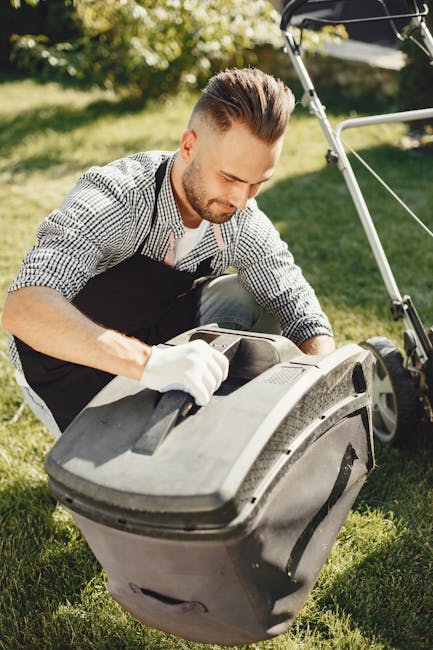
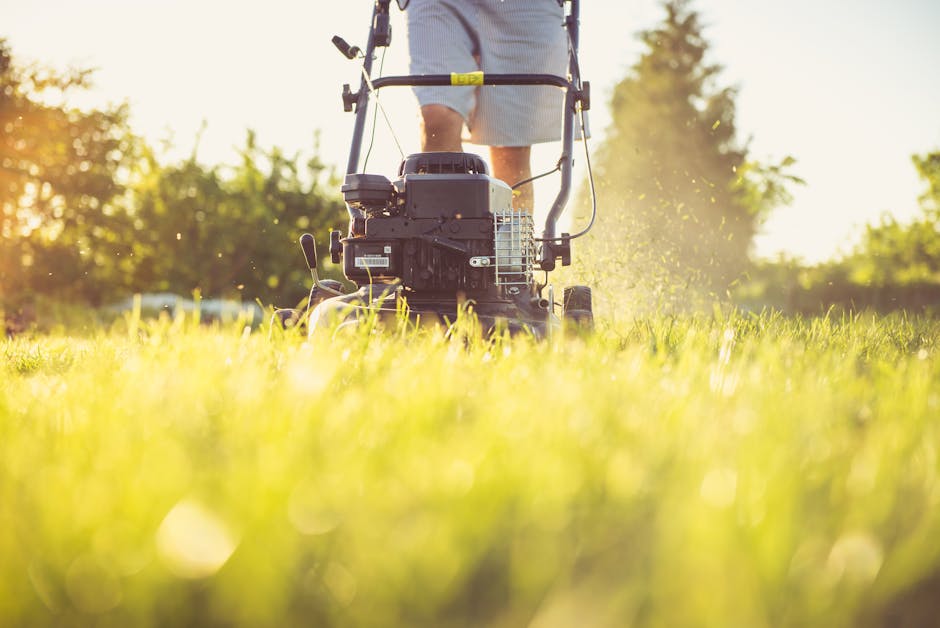
Lawn care is one of the most visible parts of garden maintenance. Mow regularly during active growth, but avoid cutting too short just to make the job less frequent. A stressed lawn can look patchy, dry out faster, and invite moss or weeds.
Also check the edges. A clean lawn edge makes even a modest garden look better. That little crisp line along a border or path can lift the whole space, oddly enough.
5. Prune with purpose, not panic
Pruning is about plant health, shape, and future growth. Remove dead, diseased, or crossing stems first. Then consider the plant's natural shape and flowering habit. Some shrubs flower on old wood, some on new growth, so timing matters. If in doubt, prune lightly rather than aggressively.
For homeowners, the risk is usually over-pruning. It is very easy to get a bit carried away with secateurs on a bright Saturday morning. We have all seen that happen.
6. Feed and mulch at the right time
Plants use nutrients differently through the year. A general feed in the growing season can support vigour, while mulch helps conserve moisture, suppress weeds, and improve soil structure. In border areas, organic mulch is often one of the best-value maintenance steps you can make.
Apply mulch after the soil has warmed and after weeding, not on top of a weed patch. That only hides the problem. It does not solve it.
7. Water smarter, not just more
Watering is often overdone or done too casually. Deep, less frequent watering is usually better than a quick daily sprinkle, especially for beds and shrubs that need roots encouraged downward. Containers are a different story and may need regular attention in warm, windy weather.
Early morning is usually a sensible time to water because less is lost to evaporation, and leaves have time to dry. If you water late in the day, the garden can stay damp through the evening, which is not always ideal.
8. Maintain hedges, trees, and boundaries
Trim hedges before they get out of hand. Check trees for low branches, damaged limbs, or signs of stress. Keep an eye on boundary growth as well, especially if planting near fences or shared edges. It is easier to guide growth early than to correct a big problem later.
For anything large, awkward, or close to utilities, think carefully before handling it yourself. Safety matters more than pride, every time.
9. Refresh pots, planters, and seasonal displays
Container planting often looks brilliant but needs more attention than beds. Remove tired plants, top up compost, and keep an eye out for drying out. Replacing one or two containers at the right moment can make the whole garden feel cared for without a full redesign.
Even a small patio can look sharp with clean pots, healthy foliage, and one or two seasonal flowers. Not flashy. Just well looked after.
10. Review the garden at the end of each month
A monthly review stops little issues becoming seasonal headaches. Ask yourself: what has grown fastest, what looks weak, what keeps recurring, and what job keeps getting postponed? Then adjust next month's plan accordingly.
This is where the maintenance plan becomes personal. Your garden, your rhythm. That is the real trick.
Expert Tips for Better Results
Here are a few practical tips that make a noticeable difference in day-to-day garden upkeep.
- Work from the ground up: clean paths and borders first, then move to plants, then finish with mowing or edging.
- Use the weather: dry days are better for pruning and tidying; damp days are often better for pulling certain weeds from soft soil.
- Keep tools sharp and clean: clean blades make neater cuts and reduce plant damage.
- Mulch before the soil dries out: it locks in moisture better when applied at the right moment.
- Watch for patterns: if one corner stays wet, shady, or mossy, the problem may be drainage or light, not neglect.
- Choose low-maintenance planting where it helps: shrubs, hardy perennials, and ground cover can reduce workload compared with high-turnover bedding.
One small habit helps more than people expect: keep a running note on your phone or notebook. If a rose needs tying in, a fence panel needs attention, or a hedge is growing too quickly, write it down then and there. Otherwise, well, it vanishes from memory in about ten minutes.
If you are planning larger work or want a more structured service approach, the services overview and pricing and quotes pages are useful reference points for understanding what support may be available.
Common Mistakes to Avoid
Even experienced homeowners slip into a few patterns that make garden care harder than it needs to be. Here are the big ones.
- Doing too much at once: an all-day clear-up can leave you exhausted and more likely to stop maintaining the garden afterwards.
- Ignoring seasonality: pruning, feeding, and cutting back at the wrong time can set plants back or reduce flowering.
- Cutting lawns too short: it may look neat for a moment, but it can weaken the grass.
- Letting weeds seed: one missed week can become next month's problem.
- Using the wrong tool: blunt shears and poor-quality cutters make work slower and rougher.
- Forgetting edging and finishing touches: a garden can be healthy but still look untidy if borders and paths are neglected.
- Assuming one tidy-up solves everything: maintenance is ongoing, not one-and-done.
Another common trap is working in the wrong order. If you mow before clearing debris, you just turn the job into a mess. If you prune before checking for dead wood or disease, you can miss the useful stuff. Small sequence errors, big difference.
Tools, Resources and Recommendations
You do not need a shed full of specialist kit to maintain a home garden well. A modest, reliable toolkit usually covers most jobs.
| Tool or item | Best use | Why it helps |
|---|---|---|
| Gloves | General tidying, pruning, weeding | Protects hands and improves grip |
| Secateurs | Light pruning and deadheading | Cleaner cuts on stems and small branches |
| Hand fork | Weeding and loosening soil | Useful in borders and compacted spots |
| Rake | Leaf clearance and general tidying | Fast way to gather debris without damaging plants |
| Lawn mower | Lawn care | Keeps growth even and manageable |
| Hedge trimmer or shears | Hedge maintenance | Helps keep formal growth neat |
| Watering can or hose | Watering beds and containers | Supports targeted watering where needed |
| Wheelbarrow or trug | Moving waste and cuttings | Saves time and avoids repeated trips |
For disposal and sustainability considerations, it can be worth reviewing the company's recycling and sustainability information. Garden waste handling is often a practical part of maintenance, especially after pruning or seasonal clearance.
A sensible recommendation for most homeowners is to buy fewer, better tools rather than a pile of cheap ones that rust or break. There is a certain satisfaction in a pair of secateurs that actually closes properly. Small thing, big difference.
Law, Compliance, Standards, or Best Practice
For domestic gardening, most of the guidance is best-practice rather than heavy regulation, but safety and good neighbourly practice still matter. If you are working on your own property, you should still think about safe use of tools, ladder work, electrical equipment, and the handling of waste. Large tree work, heavy pruning, or work near boundaries can carry additional risk, so it is wise to proceed carefully and get help where needed.
In the UK, many homeowners also prefer to work in a way that is responsible and tidy from a waste and safety perspective. That means avoiding unsafe overreach with ladders, using equipment as intended, and not leaving debris where it could block access or create hazards. If a task feels beyond what is sensible for a home gardener, it probably is.
Professional providers should be clear about safety and process. It is reasonable to expect information on public liability cover, safe working methods, payment security, and fair complaint handling. The following pages can help set those expectations before you book anything: insurance and safety, health and safety policy, payment and security, and complaints procedure.
If accessibility matters to you or someone in your household, the accessibility statement is also worth a look. It is a small detail, but it says a lot about how seriously a company treats practical access and inclusion.
Options, Methods, or Comparison Table
There is no single right way to maintain a garden. The best method depends on your time, budget, and how polished you want the space to feel.
| Method | Best for | Pros | Trade-offs |
|---|---|---|---|
| DIY routine maintenance | Hands-on homeowners with time | Flexible, low cost, very personal | Can slip if life gets busy |
| Seasonal DIY with occasional support | Most homeowners gardeners | Good balance of control and help | Requires planning and a bit of coordination |
| Regular professional maintenance | Busy households or larger gardens | Consistent, efficient, less stress | Higher ongoing cost |
| One-off clearance then self-maintenance | Overgrown or newly purchased gardens | Fast reset, easier restart | Needs discipline afterwards |
For many people, the sweet spot is somewhere in the middle. Do the simple upkeep yourself, then bring in help when the work becomes time-heavy, awkward, or safety-sensitive. That combination is often more realistic than trying to do everything alone.
Case Study or Real-World Example
Consider a typical semi-detached home garden with a small lawn, two borders, a hedge, and a handful of pots by the patio. By late spring, the lawn is growing fast, the border weeds are returning, and the hedge has started to lean outward just enough to make the path feel tighter. Nothing is disastrous. It just feels a bit behind.
The owner spends one Saturday doing a reset: clearing leaves, removing weeds, cutting back damaged stems, edging the lawn, and topping up mulch in the borders. A second shorter visit a fortnight later handles hedge trimming and container refreshes. After that, the garden shifts to a lighter rhythm: weekly mowing in the growth season, a quick weed check every few days, and a monthly review.
The difference is not dramatic in a glossy-magazine way. It is better than that. The garden becomes easier to live with. The path feels open again. The borders look intentional. The work stops feeling endless because it now has a shape. That is what a maintenance plan does when it is working properly.
Practical Checklist
Use this checklist as a simple maintenance reset or as a recurring monthly prompt.
- Walk the garden and note urgent issues
- Clear fallen leaves, branches, and general debris
- Remove weeds from beds, paths, and edges
- Mow the lawn at a sensible height
- Trim or tie in plants that are flopping or crowding others
- Deadhead flowers where appropriate
- Check watering needs in beds and containers
- Inspect hedges, fences, gates, and boundary growth
- Add mulch or compost to tired borders
- Clean tools and store them properly
- Dispose of garden waste responsibly
- Schedule the next visit before growth gets away from you
If you want to make the plan stick, print the checklist or keep it in your notes app. A garden rarely needs perfection. It needs repeat attention. That is the honest truth of it.
Conclusion
A good garden does not happen by accident. It is usually the result of small, consistent actions, repeated through the seasons, with a bit of patience and a sensible plan. That is really the heart of a step by step garden maintenance plan for homeowners gardeners: not grand transformations every time, but manageable routines that keep the space healthy, tidy, and enjoyable all year round.
Start with a full walkaround, focus on the highest-priority tasks, and build a rhythm that suits your garden's needs. If the job is bigger than your time, tools, or confidence, there is nothing wrong with getting help. In fact, that is often the smartest move.
Get a free quote today and see how much you can save.
And if you would like to understand the people behind the service before you decide, a quiet look at the about us page is a sensible next step. No rush. Just the right next step for your garden.
Frequently Asked Questions
How often should homeowners gardeners maintain a garden?
Most home gardens benefit from a light weekly check during the growing season, plus a monthly review and a seasonal deeper tidy-up. The exact rhythm depends on planting style, lawn size, and how quickly things grow.
What should be the first step in a garden maintenance plan?
Start with a walkaround and a clear list of urgent, soon, and seasonal tasks. That helps you avoid random effort and puts safety or damage issues first.
Is DIY garden maintenance enough for most homes?
For many smaller gardens, yes. DIY works well if you keep up with the basics. Larger gardens, heavy pruning, hedge cutting, and overgrowth may be better handled with some professional support.
What is the most important seasonal task in spring?
Spring is usually about clearing debris, checking lawn growth, controlling weeds early, and giving borders a tidy reset. It is also a good time to assess what survived winter and what needs replacing.
How do I stop weeds coming back so quickly?
Pull them early, before they seed, and reduce bare soil with mulch or denser planting. A regular little-and-often approach works better than occasional big weeding sessions.
Should I cut my lawn very short to reduce mowing?
No, not usually. Cutting too short can stress the grass and make the lawn look thin or patchy. A steady mowing routine at a sensible height is usually healthier.
When is the best time to prune shrubs?
It depends on the shrub type and flowering habit. Some flower on old wood and should be pruned after flowering, while others can be cut back at different times. If you are unsure, light pruning is safer than hard pruning.
How do I know if my garden needs professional help?
If the garden feels overwhelming, there are safety concerns, or the work keeps getting postponed, professional help can save time and stress. It is also sensible for awkward access, large hedges, and heavy clearance jobs.
What tools do I really need for routine garden upkeep?
Most homeowners can manage with gloves, secateurs, a hand fork, a rake, a mower, and basic watering equipment. Add a trug or wheelbarrow if you regularly move cuttings or soil.
How can I keep maintenance costs under control?
Keep on top of small jobs, buy durable tools, and avoid letting work build up into a major recovery project. That approach usually costs less over time than repeated rescue work.
Is garden waste disposal part of maintenance?
Yes, absolutely. Clearing and disposing of cuttings, leaves, and debris is part of good garden upkeep. It keeps the space tidy and prevents clutter from hiding problems.
Can a maintenance plan help with kerb appeal?
Definitely. A tidy lawn, neat edges, healthy borders, and a clear front path can make a property feel much more cared for. It is one of those things people notice straight away, even if they do not say it out loud.